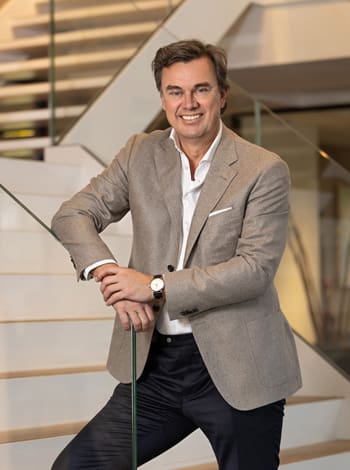
Harry van de Kraats
Managing Partner
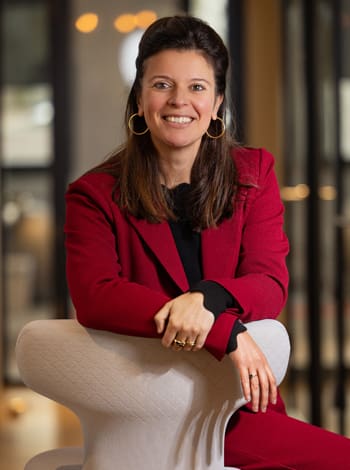
Mariëtte van Wessem
Partner


Logistics & Supply Chain is operating under intense pressure and constant change. Internationalisation, scarcity, digitalisation and increasingly ambitious sustainability targets are making value chains more complex and more vulnerable to disruption. Organisations are seeking end to end control, reliable planning and transparency in costs and capacity. In this context, leadership is decisive for continuity and value creation.
Value chains that demand stronger governance
The sector operates within international networks where nearshoring, carbon reduction targets and demand volatility have a direct impact on transport flows, warehousing and last mile delivery. Data driven insight is becoming increasingly important to steer sales and operations planning, capacity decisions and cost to serve with precision. Governance is focusing more strongly on risk, investment and decisions about where value is created within the chain. Executives are expected to improve decision making while margins remain under pressure.
Leadership that provides direction in complex value chains
Executives connect technology, operations and people. They use data to improve performance and to identify disruption at an earlier stage. They bring calm in times of scarcity, build agile teams and strengthen collaboration with customers and suppliers. Inclusive leadership is essential to engage teams and to safeguard culture and safety on site.
Supervisors focus on the resilience of value chains, the quality of the data underlying decisions and whether digitalisation and sustainability initiatives are progressing at the required pace.
What we contribute in this landscape
We take a deep dive into the leadership questions that organisations face within Logistics and Supply Chain. In our assignments, we look at strategy, culture and context, and at the type of executive, director or supervisor that can move the organisation forward. This careful and considered approach is always the foundation of our collaboration.

